
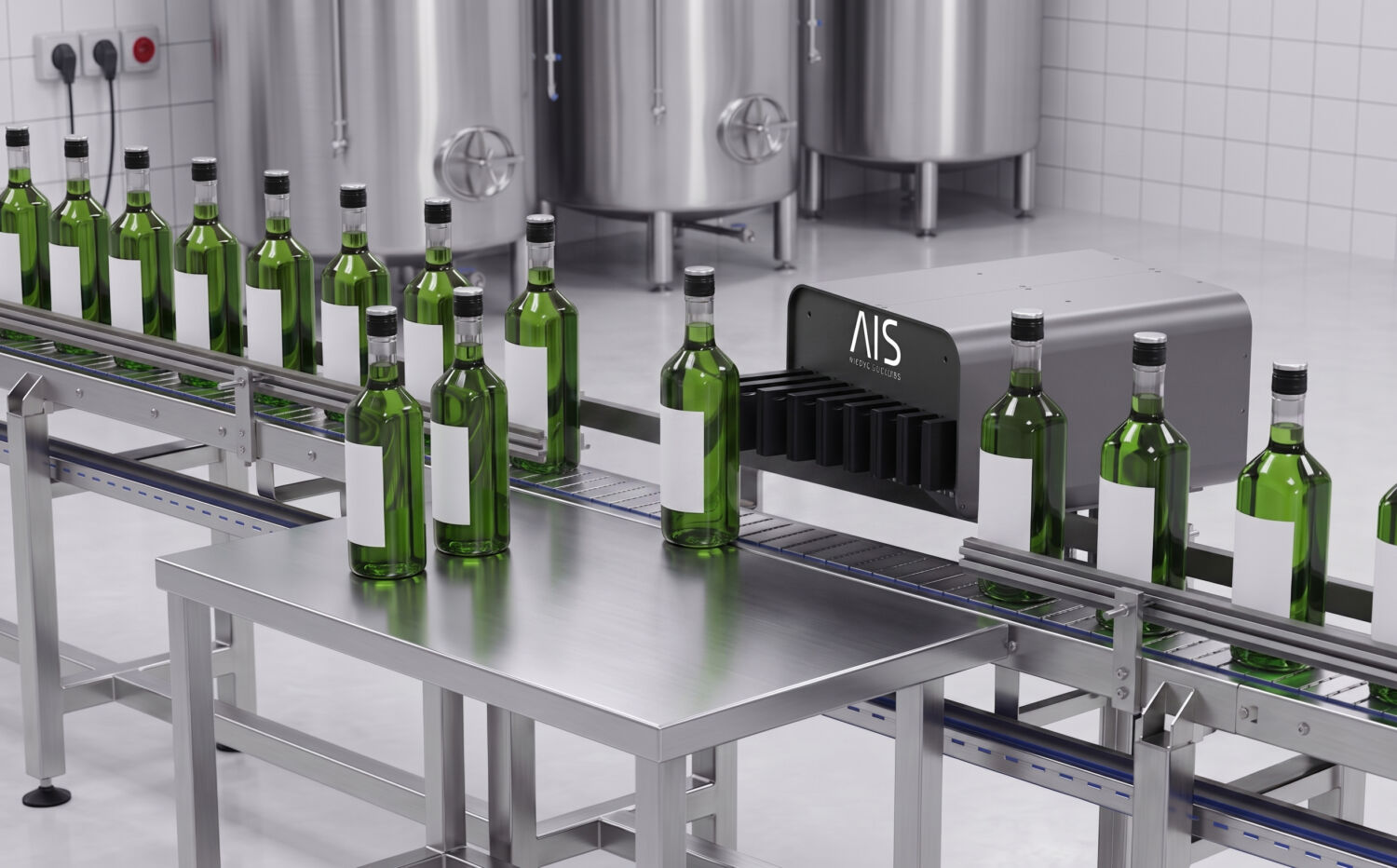
An inspection system that rejects good products is almost as problematic as one that lets bad ones through. False rejects cause waste, rework and unnecessary stoppages. Reducing them is one of the most profitable levers for improving a line’s efficiency.
What a false reject is and why it happens
A false reject (or false positive) occurs when the system flags a product as defective when it is actually fine. It usually stems from overly strict criteria, unstable lighting or systems unable to tolerate the product’s natural variation.
The real cost of false rejects
Every false reject is good product that gets discarded or reprocessed. Multiplied across thousands of units, it translates into wasted material, hours of rework and line stoppages that reduce overall productivity.
How AI reduces false rejects
AI-based systems learn to distinguish between acceptable variation and real defects. Instead of applying rigid thresholds, they recognise the defect by its nature, drastically reducing erroneous rejects without losing detection capability.
Metrics to measure the improvement
To optimise, it helps to measure the false-reject rate and the missed-defect rate, and find the balance point. A well-tuned system minimises both at once.
If your line suffers too many erroneous rejects, AIS Vision systems can help you stabilise control with AI.