
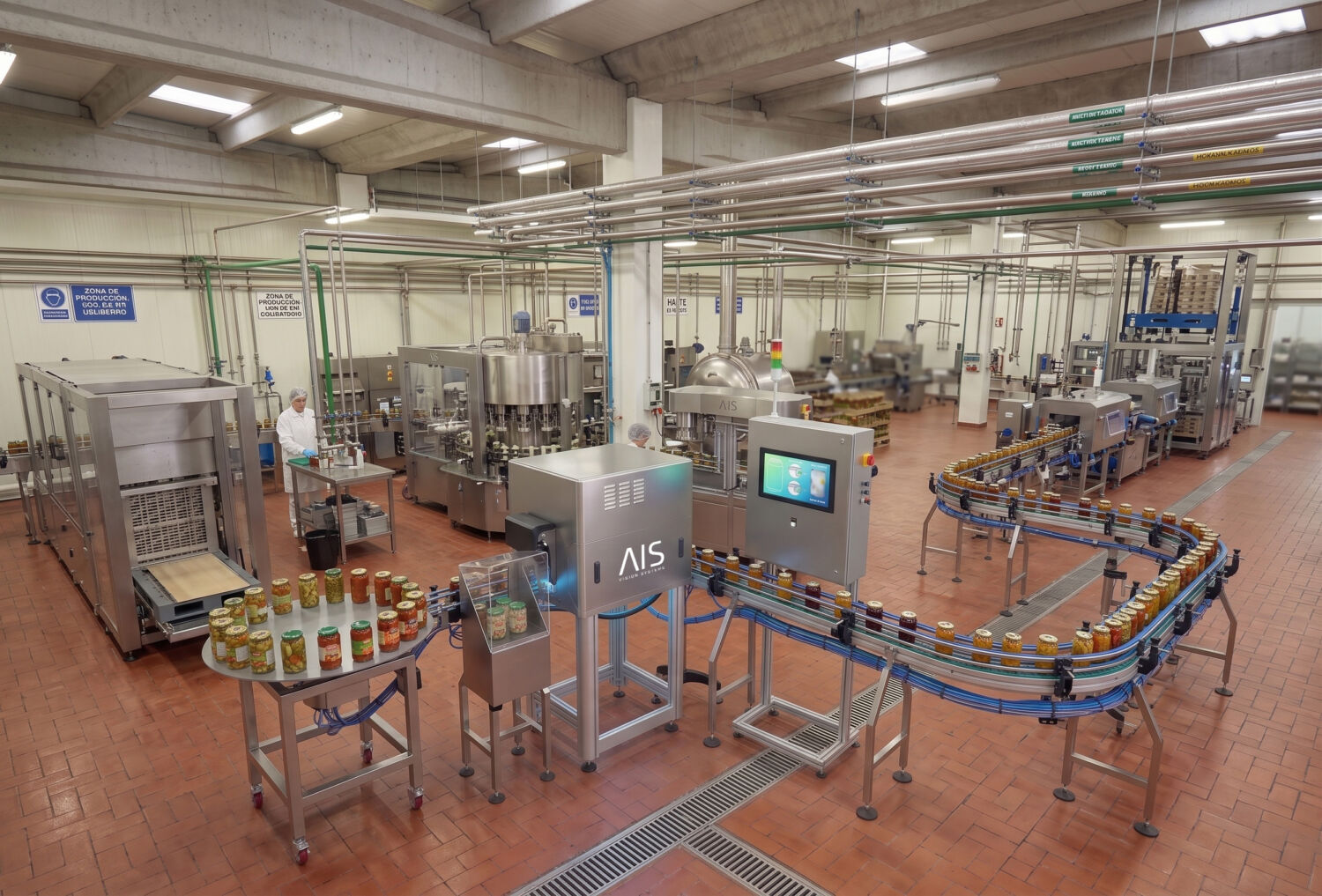
Industrial machine vision has become one of the key technologies of modern manufacturing. It allows machines to “see”, interpret images and make quality decisions in milliseconds, without human intervention. In this guide we explain exactly what industrial machine vision is, what components it relies on and how it is transforming quality control in sectors such as pharmaceuticals, food and automotive.
What machine vision is and what it is for
Industrial machine vision combines cameras, lighting and image-analysis software to inspect products automatically during production. Its goal is to detect defects, read information (codes, text) or measure parts with a precision and speed that manual inspection cannot match.
Unlike the human eye, a vision system never tires or gets distracted, and it always applies the same criteria. That makes it ideal for ensuring quality on high-speed lines.
Components of a machine vision system
Every system rests on four elements: the camera captures the image; the lighting highlights the features to analyse; the optics focus and define the field of view; and the software processes the image and decides whether the part is good or defective.
The quality of the result depends on the balance between these four elements. Good lighting is often as decisive as the camera itself.
How it works, step by step
The process starts when a sensor detects the product and triggers image capture. The software then analyses that image, comparing it with a reference pattern or applying a model trained to recognise defects. Based on the result, the system signals the line to accept, reject or trigger an ejection. The whole cycle completes in milliseconds.
Main applications by sector
Machine vision is used in virtually every industry: label and vial control in pharma, can and bakery inspection in food, cable and assembly verification in automotive, or code reading in logistics. The common denominator is the same: making sure every product leaves the line flawless.
Advantages over manual inspection
Compared with manual or sampling-based control, machine vision inspects 100% of production, reduces human error, generates data to optimise processes and protects the brand by preventing defective products from reaching the customer.
At AIS Vision Systems we design custom machine vision systems for every production line. Get in touch with our team.