
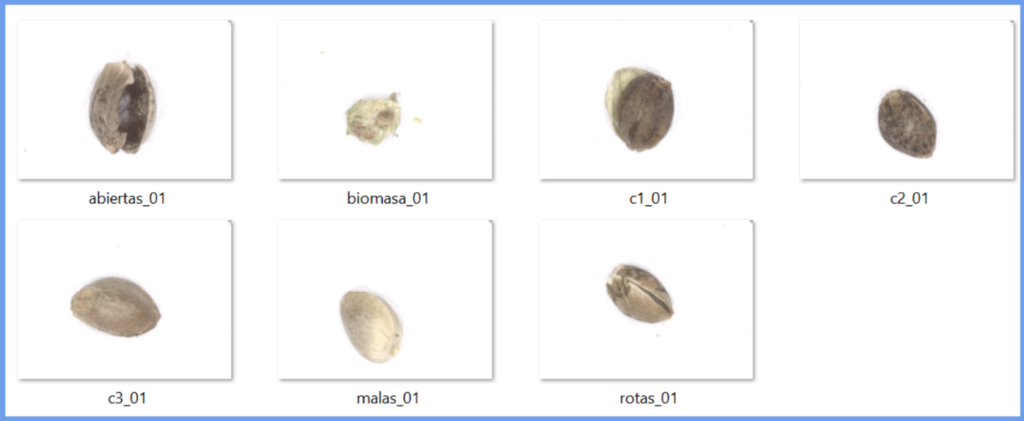
Defect detection with artificial vision identifies non-conforming units in-line and separates them before they reach the customer. By inspecting 100 % of production, it reduces the defective production that slips through control and optimises the rejection rate. Let’s look at how it works and its impact on quality.
What defects it detects
A vision system detects surface defects (scratches, stains, cracks), shape and dimensional defects, colour, assembly, labelling or coding defects, and the presence of foreign bodies. All at line speed and with a constant criterion.
Rules versus deep learning
For well-defined defects, rule-based vision is fast and precise. For variable or hard-to-describe defects —typical of natural products— deep learning models learn to tell good from defective from examples, extending the reach of inspection.
Defective production and rejection rate
Without 100 % inspection, part of the defective production reaches the market and triggers complaints. With artificial vision, those defects are detected and removed automatically. Moreover, analysing reject data reveals root causes: adjusting the process lowers the actual rejection rate, not just intercepts it.
From detecting to improving
Every reject is a data point. Recording what fails, when and why turns defect detection into a lever for continuous improvement: less waste, less rework and stable quality.
At AIS Vision Systems we apply deep learning and our inspection platform to detect defects and reduce your rejection rate. Tell us your case.